
 Merken
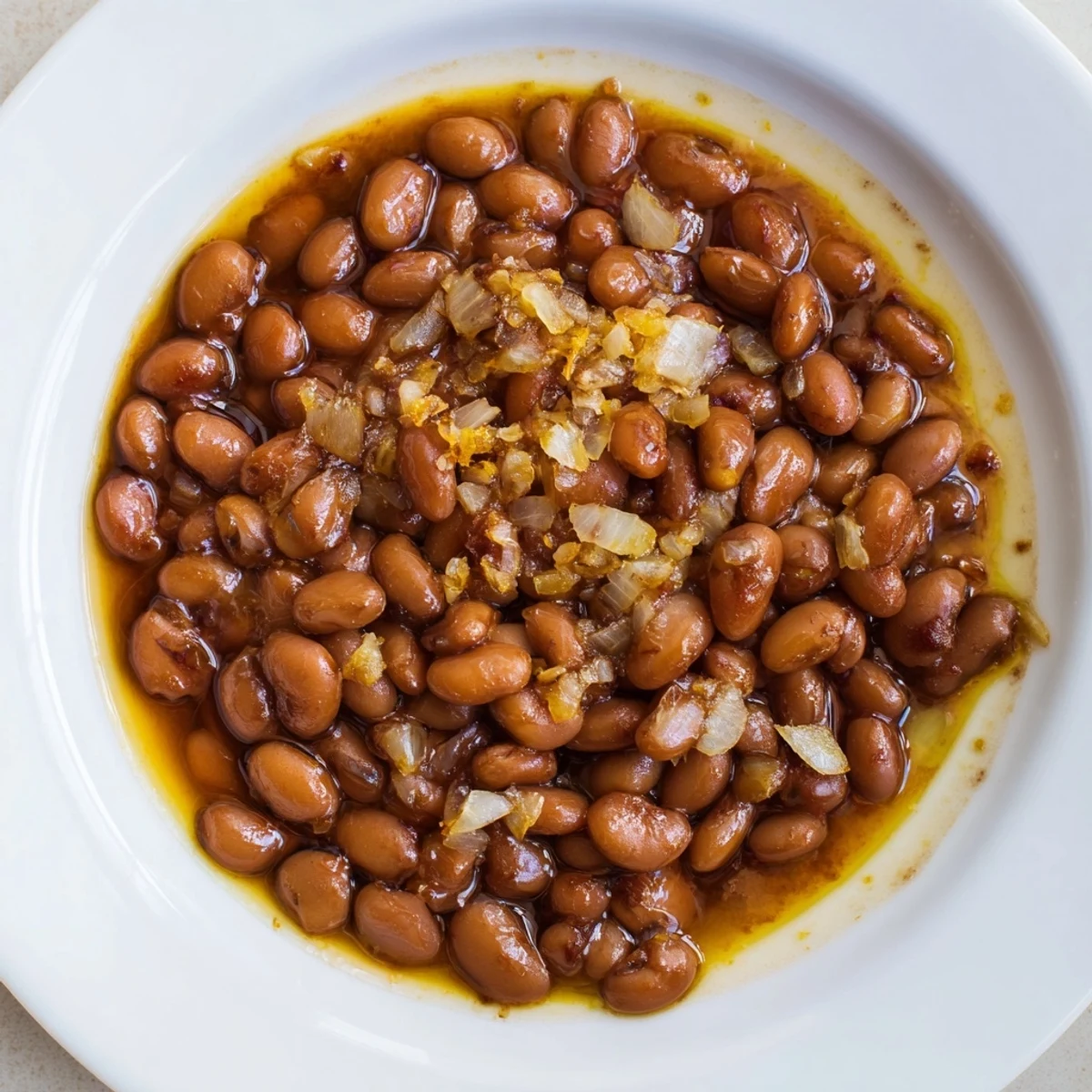
 Diese langsam gebackenen Bohnen verbinden zarte Navy-Bohnen mit einer vollmundigen Molasses-Sauce, die süße und würzige Aromen harmonisch vereint. Zwiebeln, Knoblauch, brauner Zucker, Dijon-Senf und Rauchpaprika schaffen eine komplexe Geschmackstiefe. Das Gericht eignet sich hervorragend als Beilage für Grillgerichte oder als eigenständige sättigende Speise. Varianten mit Tempeh oder gewürztem Speck bieten zusätzliche Rauchnoten. Eine vegane Anpassung ist durch den Austausch von Butter gegen Öl möglich.
There's something about the smell of molasses bubbling away in the oven that makes a kitchen feel like home, even if it's not actually yours. I discovered this recipe on a gray Sunday afternoon when I was helping a friend prep for a backyard gathering, and we had exactly two hours to pull together something substantial. She had a bag of dried beans gathering dust and a jar of molasses she'd bought on a whim months earlier. We threw caution to the wind, improvised with what was in her pantry, and by the time the first guests arrived, the whole house smelled like autumn in the best possible way.
I still remember my neighbor's face when she took her first bite at that backyard gathering. She'd grown up eating her grandmother's version and said mine was "almost exactly right," which felt like winning an unspoken competition. What stuck with me wasn't just the compliment, but realizing that slow-baked beans are one of those dishes that carry memory in them, that connect you to people and moments across time.
Ingredients
- Dried navy beans (2 cups) or canned (4 cups): Navy beans have a delicate, slightly creamy texture that absorbs the molasses sauce beautifully; dried beans need soaking and cooking first, but the flavor payoff is worth the extra time.
- Yellow onion (1 medium, finely chopped): The onion mellows and sweetens as it cooks, becoming almost candy-like and blending seamlessly into the sauce.
- Garlic (3 cloves, minced): Fresh garlic adds a subtle earthiness that keeps the dish from becoming one-note sweet.
- Unsulfured molasses (1/2 cup): This is the heart of the recipe; molasses brings deep, slightly bitter notes that balance the sweetness and create real depth.
- Brown sugar (1/4 cup, packed): Brown sugar reinforces the sweet-savory tension and helps the sauce caramelize slightly at the edges.
- Ketchup (1/4 cup): Ketchup adds tang and acts as a binder, helping the sauce cling to each bean.
- Dijon mustard (2 tablespoons): Mustard brings a sharp, slightly tangy kick that cuts through the sweetness and prevents the dish from tasting cloying.
- Apple cider vinegar (1 tablespoon): Vinegar brightens the sauce and adds a whisper of acidity that makes every other flavor sing.
- Smoked paprika (1 teaspoon): This spice adds a gentle smokiness and a hint of warmth without overpowering the other flavors.
- Salt (1 teaspoon) and black pepper (1/2 teaspoon): Basic seasonings that anchor and balance everything else.
- Water or vegetable broth (2 cups): This liquid becomes part of the sauce, so use broth if you want extra flavor.
- Unsalted butter (2 tablespoons, optional): Butter adds richness and helps carry the flavors; use olive oil for a vegan version.
Instructions
- Start your beans (if using dried):
- Rinse dried beans under cold water, then submerge them in a large bowl with plenty of cold water and let them sit overnight. The next day, drain them, put them in a pot of fresh water, and simmer for about an hour until they're tender but not falling apart. You want them to hold their shape through the baking.
- Set your oven temperature:
- Preheat your oven to 325°F (160°C). This low, gentle heat is the secret to allowing the sauce to develop slowly and the beans to absorb all those molasses flavors without drying out.
- Build your flavor base:
- In a large Dutch oven or oven-safe casserole dish, melt the butter over medium heat, then add your finely chopped onion. Let it cook undisturbed for about 5 minutes until it softens and begins to turn golden. Add the minced garlic and let it sizzle for just 1 minute more, until the kitchen smells irresistible.
- Mix your sauce:
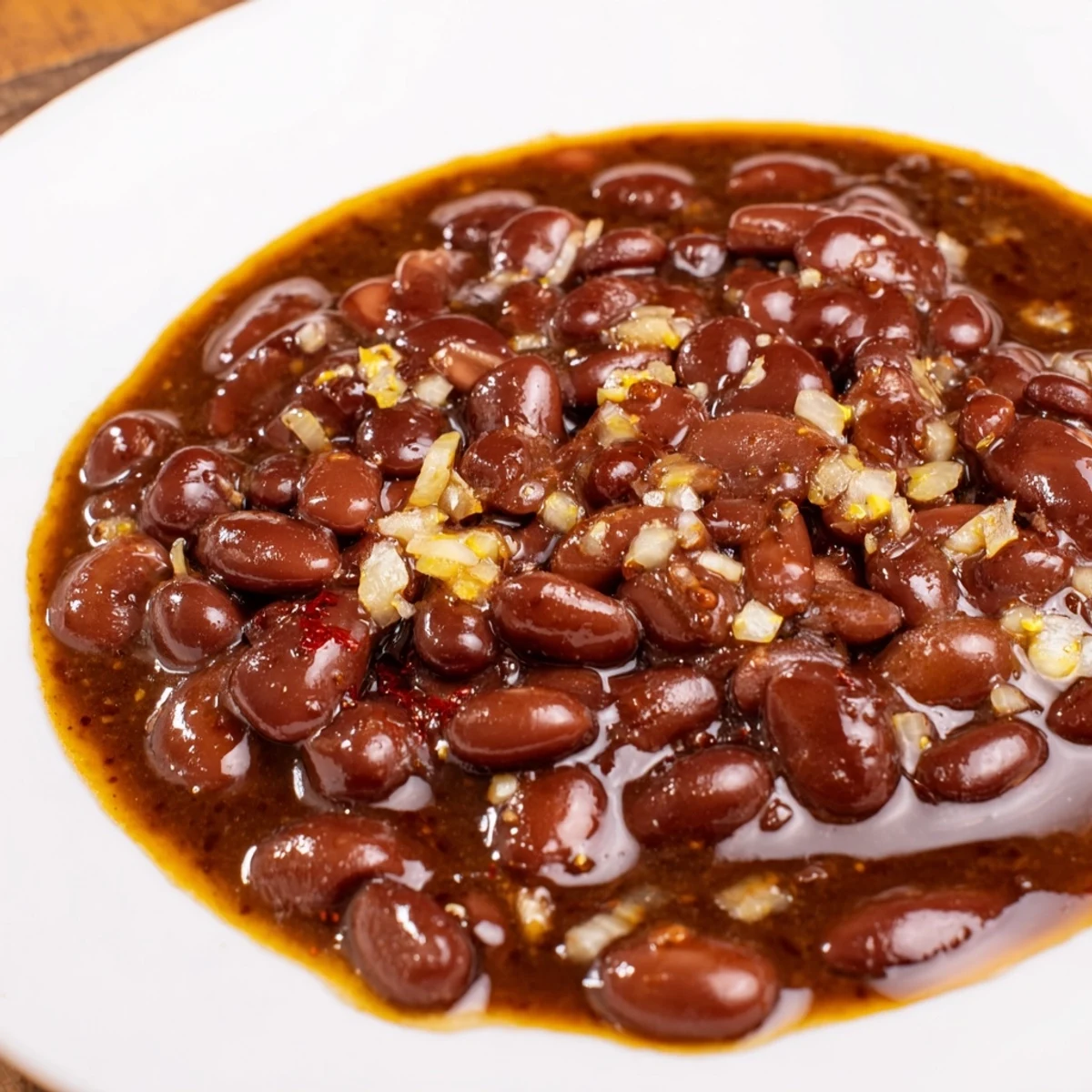
- Stir together the molasses, brown sugar, ketchup, Dijon mustard, apple cider vinegar, smoked paprika, salt, and pepper. The mixture will look thick and dark; this is exactly right. These ingredients are building a balanced sweet-savory-tangy sauce that will coat every single bean.
- Combine everything:
- Add your cooked beans and the water (or broth) to the sauce mixture and stir everything together gently but thoroughly. If you're using optional add-ins like chili flakes or smoked tempeh, stir them in now.
- Slow bake into perfection:
- Cover the Dutch oven and slide it into the oven for 2 hours. About halfway through, give everything a gentle stir so the beans cook evenly and the sauce develops richly. Check the consistency near the end; if it seems too thick, add a splash of water. If you want a thicker, more concentrated sauce, uncover the dish for the final 30 minutes.
- Taste and finish:
- Remove from the oven and taste carefully. Adjust the salt, pepper, or even a touch more vinegar if needed. The beans should be tender, the sauce should cling to them, and the flavors should feel balanced and warm.
 Merken
 What I love most about this dish is that it doesn't need your constant attention. You prep it, slide it into the oven, and then you're free to do other things while it slowly transforms into something that tastes like it took hours of fussing. That's the gift of slow-baked beans.
The Magic of Molasses
Molasses is one of those ingredients that intimidates home cooks, but it shouldn't. It's essentially concentrated caramel with a slight mineral earthiness, and when it bakes with beans and vinegar and mustard, something almost alchemical happens. The beans don't just absorb the molasses flavor; they transform it, breaking it down and distributing it so evenly that every bite tastes intentional and balanced. I learned this the hard way by trying to make baked beans with regular sugar once, and the result was cloyingly sweet with none of the depth. Molasses is non-negotiable.
Timing and Temperature Matter
The low oven temperature of 325°F (160°C) is deliberate. A hotter oven would cook the beans on the outside while leaving them tough inside, and would evaporate your sauce too quickly. At 325°F, everything cooks gently and evenly, the sauce reduces into a glossy glaze, and the flavors have time to marry. I've watched people try to speed this up by increasing the heat, and every single time they end up with beans that are either undercooked or overcooked. Patience is the real ingredient here.
Variations and Customization
This recipe is forgiving enough to work with whatever you have on hand and whatever your dietary needs are. If you want smokiness, add diced smoked tempeh or, if you eat meat, crispy bacon. If you want heat, a pinch of chili flakes will wake everything up without dominating. You can swap the butter for olive oil without any loss of flavor, and your vegetarian guests will thank you. The beauty of baked beans is that they're humble enough to adapt and sophisticated enough to satisfy anyone.
- Add 1/2 teaspoon of chili flakes if you like a gentle heat that lingers on your tongue.
- Stir in 1/2 cup of diced smoked tempeh for a plant-based smokiness, or crispy bacon if you eat meat.
- If your sauce seems too thin after cooking, uncover the dish for the final 15 minutes; if too thick, add a bit more water or broth.
 Merken
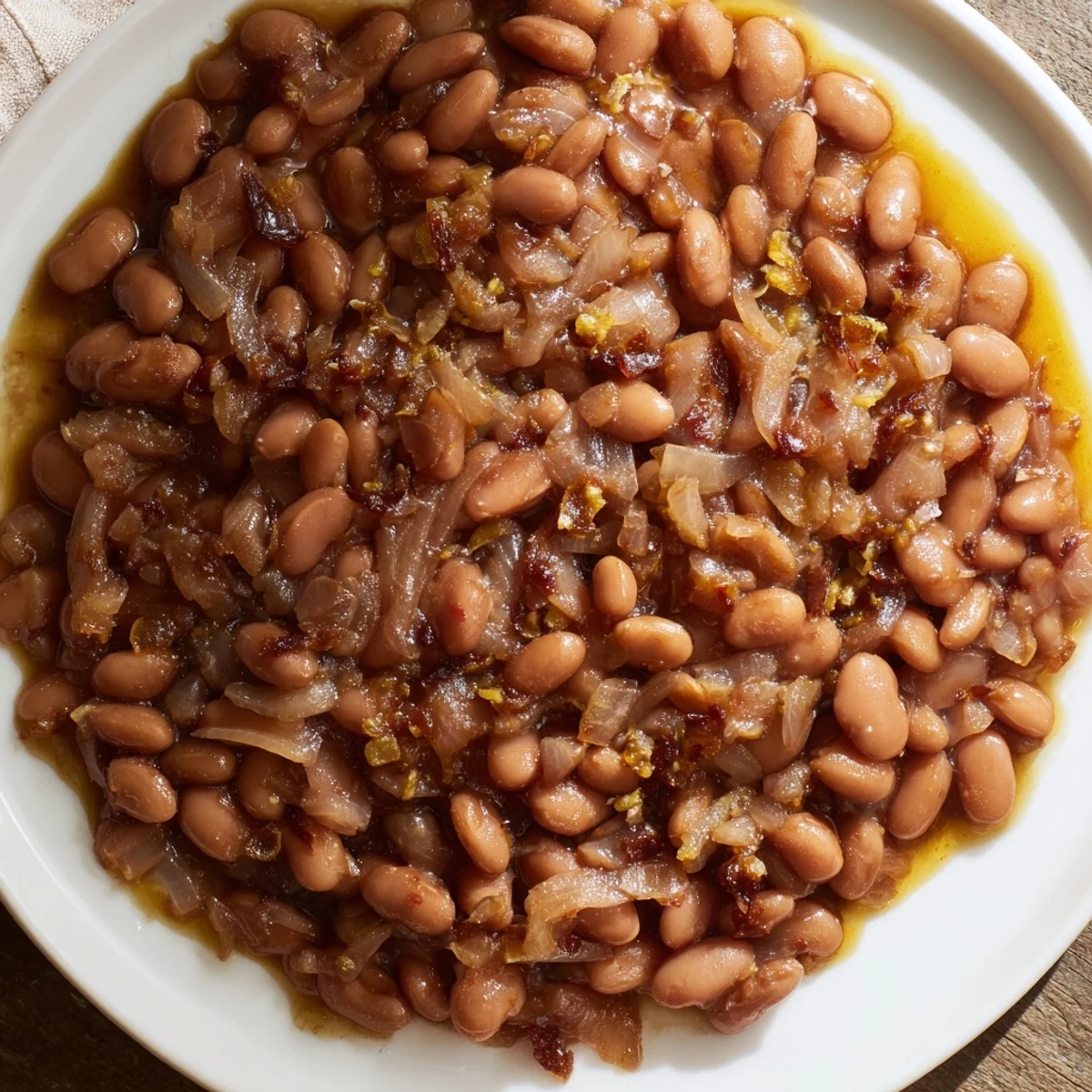
 Baked beans are the kind of dish that makes people feel cared for, whether you're serving them at a backyard gathering or packing them for a picnic. There's something reassuring about food that smells this good and tastes this honest.
Häufige Fragen zum Rezept
- → Wie lange sollten getrocknete Bohnen eingeweicht werden?
-
Getrocknete Navy-Bohnen sollten idealerweise über Nacht in kaltem Wasser eingeweicht werden, um die Garzeit zu verkürzen und die Bekömmlichkeit zu verbessern.
- → Kann man die Molasses-Sauce auch ohne Zucker zubereiten?
-
Der braune Zucker sorgt für die nötige Balance in der Sauce, jedoch lässt sich der Zuckeranteil reduzieren oder durch natürliche Süßungsmittel ersetzen, wobei sich der Geschmack leicht verändern kann.
- → Wie erreicht man die rauchige Note im Gericht?
-
Rauchpaprika verleiht eine dezente Rauchnote; zusätzlich können geräucherter Tempeh oder vegetarischer Speck für intensiveren Rauchgeschmack zugefügt werden.
- → Ist das Gericht für Veganer geeignet?
-
Ja, indem Butter durch pflanzliches Öl ersetzt wird und darauf geachtet wird, dass alle Zutaten vegan sind, lässt sich das Gericht problemlos anpassen.
- → Wie kann die Konsistenz der Sauce beeinflusst werden?
-
Für eine dünnere Sauce während des Backens Wasser oder Gemüsebrühe zufügen; für eine dickere Sauce die letzten 30 Minuten ohne Deckel backen lassen.