
 Merken
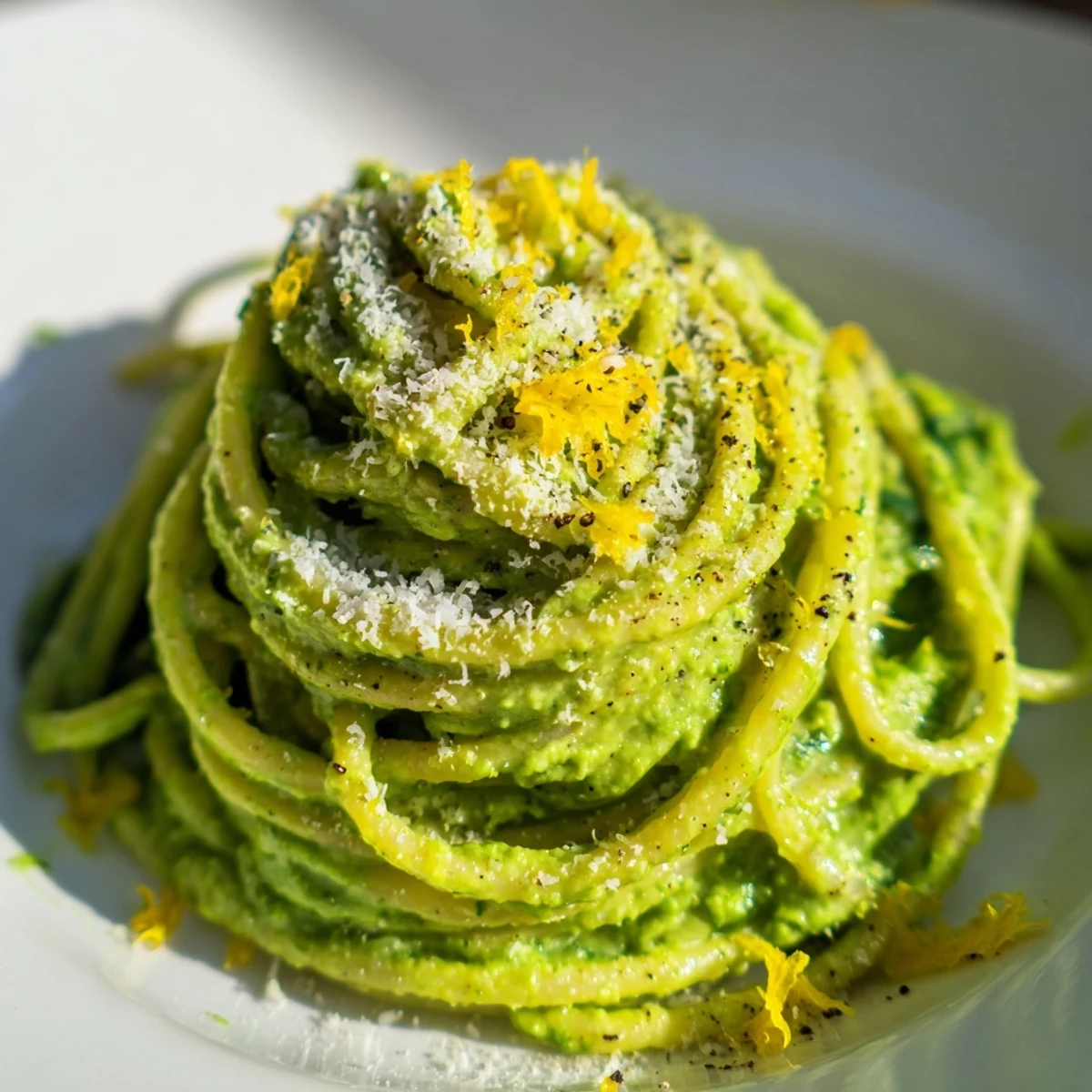
 Diese cremige Pasta kombiniert reife Avocados und frischen Spinat zu einer samtigen Sauce. Knoblauch und Zitronensaft sorgen für eine ausgewogene Frische. Die fertige Sauce wird mit warmen Spaghetti vermengt und mit Parmesan sowie Zitronenschale verfeinert. Schnell zubereitet, ideal für ein leichtes und nahrhaftes Gericht.
There's something almost magical about the moment when a ripe avocado meets hot pasta water. I discovered this dish on a Tuesday afternoon when my fridge held exactly three things: avocados that were perfectly soft, a bag of spinach I'd promised myself to use, and half a box of spaghetti. What started as a quiet solo lunch became the recipe I'd make for friends without a second thought. The silky sauce comes together in minutes, and somehow it tastes like both comfort and celebration.
I made this for my sister on an unexpectedly warm spring evening when she showed up stressed from work. She took one bite and actually paused mid-chew, then asked for seconds before finishing the first plate. That's when I realized this wasn't just convenient—it was genuinely good enough to share with people you want to impress.
Zutaten
- 400 g Spaghetti: Use whatever shape you have; the creamy sauce clings to everything equally.
- 2 reife Avocados: They should yield slightly to pressure but not feel mushy—this matters more than you'd think.
- 100 g frischer Babyspinat: Fresh is better than frozen here because you want the bright, delicate flavor to shine through.
- 2 Knoblauchzehen: Fresh garlic makes a real difference; powdered garlic will turn this from vibrant to dull.
- 60 ml natives Olivenöl extra: This is worth buying good oil for—it's a main ingredient, not a background player.
- 30 ml frischer Zitronensaft: Fresh lemon is non-negotiable; bottled won't give you the same brightness.
- 30 g geriebener Parmesan: The tang keeps the sauce from feeling one-dimensional.
- 2 EL frische Basilikumblätter (optional): When basil is good, add it; when it's not, leave it out.
- 1/2 TL Meersalz und 1/4 TL schwarzer Pfeffer: Season as you go, not all at once at the end.
- 2–4 EL Pastawasser: This starchy water is the secret to a silky sauce that actually coats the noodles.
Anleitung
- Salzwasser und Pasta zum Kochen bringen:
- Fill a large pot with water, salt it generously so it tastes like the sea, and bring it to a rolling boil. Add spaghetti and cook until it's al dente—that moment when it has a tiny bit of resistance but isn't chalky.
- Die Sauce während das Wasser kocht zubereiten:
- While the pasta cooks, put avocados, spinach, garlic, olive oil, lemon juice, Parmesan, basil if you're using it, salt, and pepper into a food processor. Blend until completely smooth, stopping to scrape down the sides a couple of times.
- Die Sauce mit Pastawasser anpassen:
- Add 2 to 4 tablespoons of the reserved pasta cooking water and blend again until the sauce looks pourable but still creamy—not thin, not thick.
- Alles zusammenbringen:
- Return the drained pasta to the warm pot, pour the sauce over it, and toss everything together gently. If it feels too thick, add a splash more pasta water; the sauce should coat every strand.
- Anrichten und servieren:
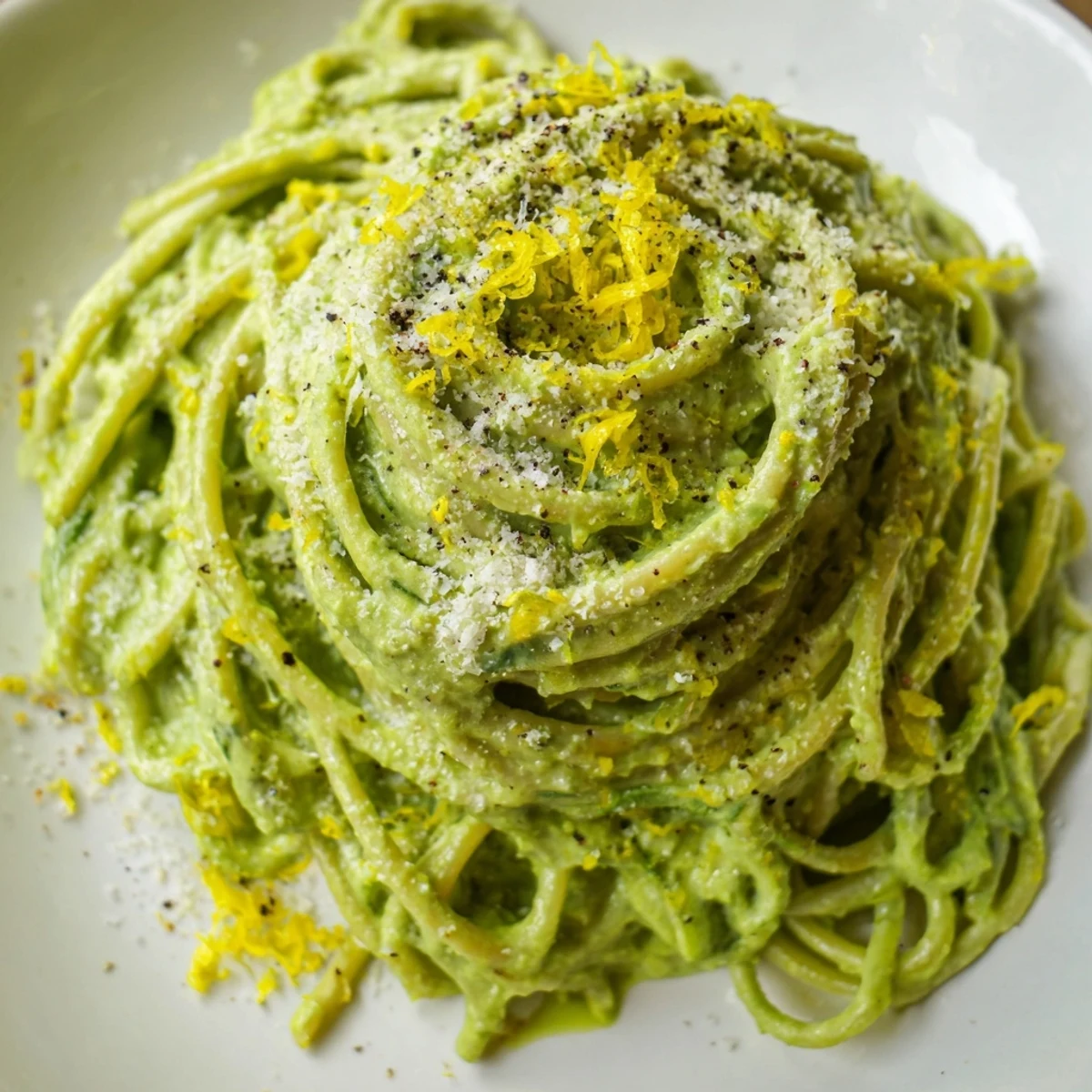
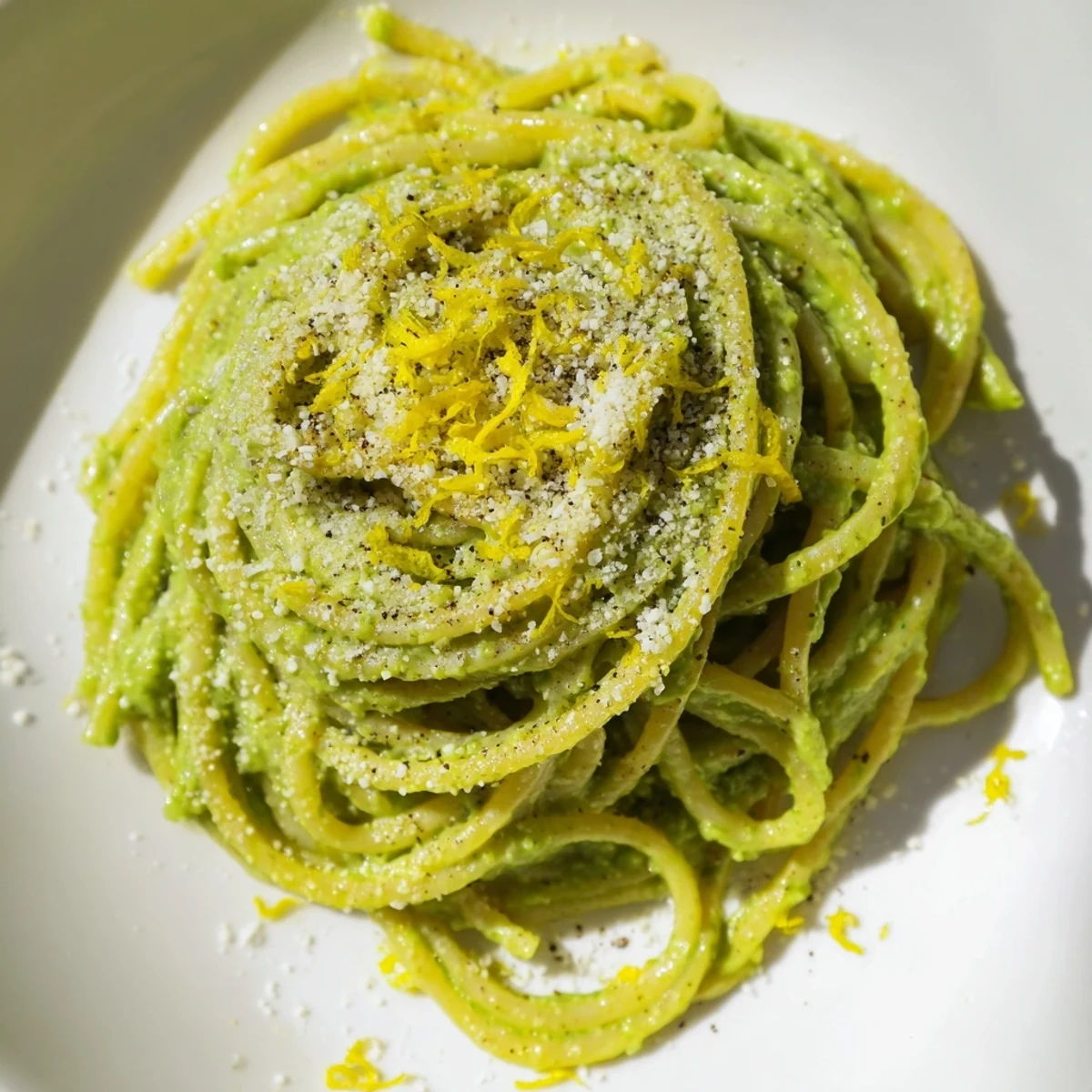
- Divide the pasta among plates and finish with lemon zest, extra Parmesan, and a crack of black pepper. Eat immediately while it's warm and silky.
 Merken
 The first time someone asked me for this recipe, I realized how rarely that happens with food I cook. It felt like I'd created something small but real, something that belonged to more than just one person's kitchen.
Variationen und Anpassungen
This sauce is forgiving in the best way. If you want texture, toasted pine nuts or walnuts scattered on top add a subtle crunch that balances the creaminess. Roasted cherry tomatoes stirred into the finished pasta bring a burst of tartness and color. For a richer version, a handful of sun-dried tomatoes works beautifully. You can even add sautéed mushrooms or a handful of arugula at the very end for something earthier.
Für vegane und allergengerechte Versionen
Making this vegan is straightforward—swap the Parmesan for nutritional yeast, which adds a savory depth without the dairy. The sauce stays just as creamy and satisfying. If gluten matters in your kitchen, use gluten-free spaghetti and the rest stays exactly the same. Always double-check ingredient labels for hidden allergens, especially the Parmesan and pasta.
Timing und Geschmack
This dish lives in the now—it tastes best eaten immediately after plating, while the pasta is still warm and the sauce coats it perfectly. Cold leftovers the next day are fine but different, less silky and more like a salad. If you're cooking for guests, prepare everything up until the moment you drain the pasta, then finish it while they're sitting down.
- Taste the sauce before adding it to the pasta and adjust the lemon or salt if needed.
- If the sauce seems too thick after blending, add pasta water one tablespoon at a time.
- The entire dish takes about 25 minutes from start to eating, so it's genuinely a weeknight dinner.
 Merken
 This recipe reminds me that the best food doesn't have to be complicated or time-consuming—sometimes it just needs good ingredients, a few minutes, and a willingness to taste as you go. Make it, share it, and let it become something that belongs to your kitchen too.
Häufige Fragen zum Rezept
- → Wie bleibt die Avocado-Sauce schön cremig?
-
Durch das Hinzufügen von etwas Nudelwasser wird die Sauce seidig und leicht verbindend, ohne ihre Frische zu verlieren.
- → Kann ich die Parmesan-Alternative verwenden?
-
Ja, Hefeflocken eignen sich als vegane Alternative und verleihen eine herzhafte Note.
- → Welche Pasta eignet sich am besten?
-
Spaghetti passen perfekt, da ihre lange Form die cremige Sauce gut aufnimmt.
- → Wie lange dauert die Zubereitung insgesamt?
-
Insgesamt sollte die Zubereitung inklusive Kochzeit etwa 25 Minuten in Anspruch nehmen.
- → Kann ich weitere Zutaten hinzufügen?
-
Getrocknete Tomaten, geröstete Nüsse oder sautierte Pilze eignen sich gut für mehr Textur und Geschmack.